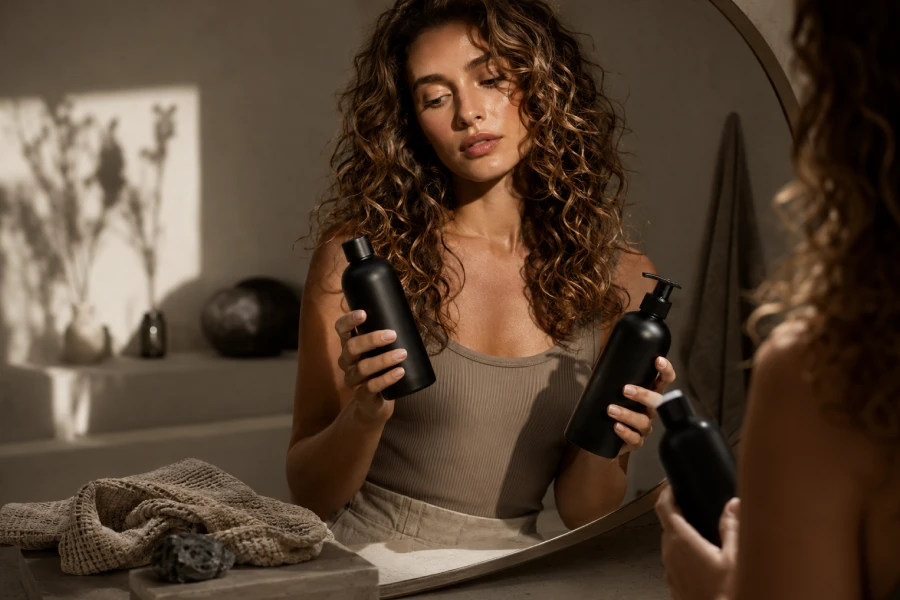
Choosing shampoo and conditioner for hair type becomes easier when you stop treating hair as one simple category. Strand diameter, density, curl pattern, damage, oil distribution, and scalp comfort all influence product performance. Two people with curly hair can need very different formulas. The same person may need different care after coloring or moving climates. Product labels help, but your real results matter more. A useful routine starts with observation rather than trend chasing. It then changes one variable at a time. This approach reduces wasted purchases. It also makes wash day more predictable and less frustrating. This fuller profile prevents one visible trait from dominating every decision you make. Write those details down before a shopping trip so packaging cannot erase your priorities.
Assess the scalp and lengths separately before shopping. The scalp may feel oily while the ends remain dry. Fine strands can be dense, and thick strands can be sparse. Curl pattern affects how easily natural oils travel downward. Chemical processing changes porosity and strength. Heat styling adds another layer of need. A combined hair type assessment and scalp condition check prevents oversimplified choices. Write down what happens one day after washing and three days later. Note tangling, flatness, itching, frizz, and breakage. Those observations create a stronger starting point than a marketing category alone. Comfort between washes matters just as much as the immediate feeling under running water. Clean does not need to feel stripped, and softness does not need to feel coated.
Shampoo mainly serves the scalp, where oil, sweat, and buildup collect. A gentle cleanser may suit frequent washing or sensitive skin. Stronger cleansing can help occasional buildup, heavy styling products, or very oily roots. Frequency changes the equation. A formula that works weekly may feel harsh every day. Apply shampoo to the scalp and let rinsing suds pass through lengths. Scrubbing ends directly often adds unnecessary friction. Rinse thoroughly, especially around the crown and nape. Judge the result by comfort and cleanliness, not squeaky tension. Sets can still work well, but they should earn that pairing through performance. Independent selection also makes future troubleshooting much easier.
Matching bottles are convenient, but they are not always the best pair. Your scalp may need balanced cleansing while your ends need richer slip. Choose each product for its separate job. Conditioner should reduce friction, improve detangling, and support the feel you prefer. Apply it mainly from midlengths downward unless the formula suits scalp use. A thoughtful product pairing strategy gives more control than buying by color or fragrance. Test the pair for several washes. Keep styling products stable during the trial. Clear comparisons reveal whether the combination truly works. Processed hair often needs more patience because several forms of damage may overlap. Give newly processed hair several washes before making sweeping conclusions.
Color, bleach, sun, heat, and mechanical stress can change what hair needs. Damaged strands may benefit from conditioning ingredients that improve softness and manageability. Protein-containing formulas can feel supportive for some hair and stiff for others. Moisturizing products may improve flexibility but feel heavy on fine strands. The goal is a workable moisture protein balance, not loyalty to one category. Alternate formulas when conditions change. Watch how hair behaves while wet and after drying. Breakage, tangling, limpness, and roughness provide useful feedback. Adjust gradually rather than replacing everything at once. Consistency turns subjective impressions into patterns you can actually use. Take photographs only when they help compare volume, definition, or visible residue.
Product claims cannot predict every head of hair. Your routine should be judged over several consistent wash days. Record how much product you use and where you apply it. Notice whether roots stay comfortable until the next wash. Check if ends detangle with less force. Observe volume, definition, softness, and residue after drying. Weather and styling can distort results, so look for patterns. One excellent day may be coincidence. One poor day may reflect application. Repeated outcomes offer better evidence. Let performance guide your next purchase more than packaging language. Revisit quantity before replacing a formula, because overapplication can mimic poor compatibility. Even a simple change in rinse time can improve the final result.
Hair needs shift with seasons, hormones, length, coloring, travel, and routine changes. Review your products when results stop matching expectations. Keep a reliable baseline pair before experimenting. Add a clarifying wash only when buildup suggests it. Increase conditioning where friction appears. Reduce richness when hair loses movement. Change cleansing frequency if the scalp feels consistently uncomfortable. Make one adjustment and observe several washes. This patient method protects both your budget and your hair. A personalized pairing is not permanent; it is responsive. The goal remains dependable cleansing and conditioning, not a permanently fixed product identity. Your best pairing is the one that keeps working under ordinary conditions.

Leave a comment