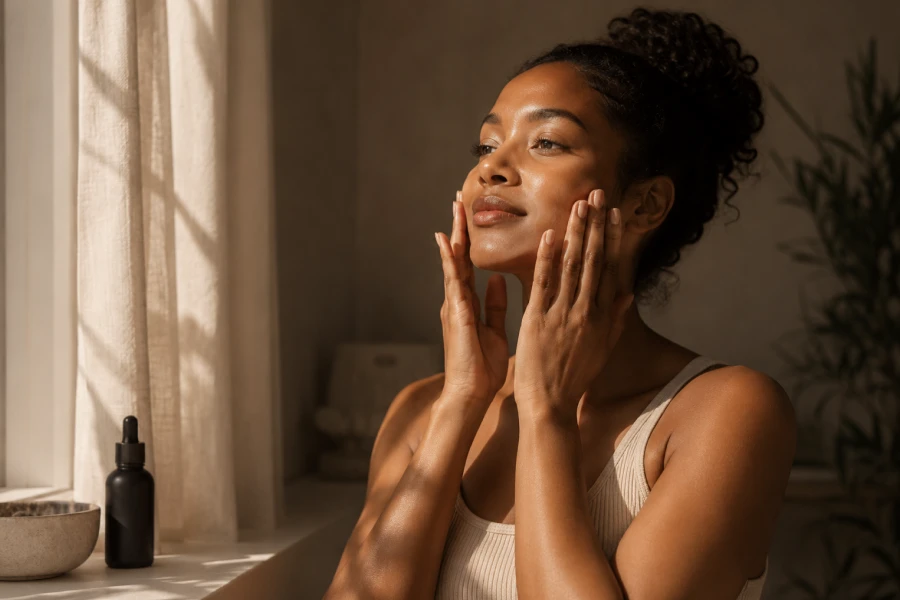
A five minute facial massage can turn an ordinary skincare step into a calmer beginning. The practice does not need elaborate tools or aggressive pressure. Clean hands, comfortable slip, and a simple sequence are enough. Gentle movement may temporarily enliven the complexion and reduce the feeling of facial tension. Results vary, and massage should never hurt. The main benefit often comes from consistency and mindful attention. A brief routine fits more easily than a long spa-style ritual. It also encourages slower product application. Morning care becomes something you experience rather than rush through. Place the product within easy reach before beginning. Removing tiny obstacles makes the ritual more likely to happen. Beginning with the same product each day also makes skin reactions easier to identify.
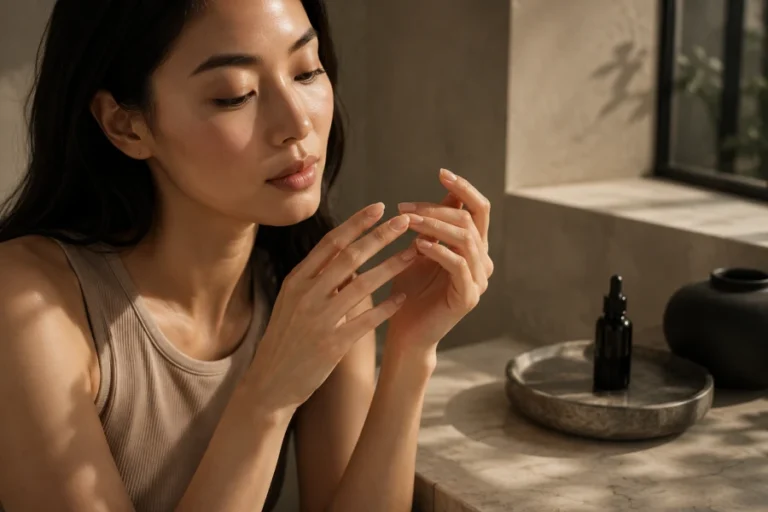
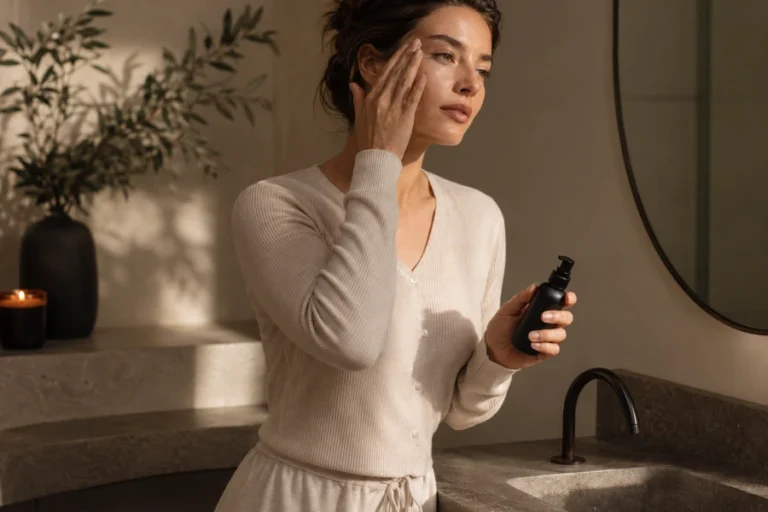
Begin with clean hands and freshly cleansed skin. Apply enough moisturizer, serum, balm, or oil to prevent dragging. Choose a product already tolerated by your skin. Avoid introducing a new formula and a new technique together. Thoughtful skincare preparation protects comfort and makes movement smoother. Tie back hair and remove rings that might scratch. Stand or sit where shoulders can relax. Use a mirror only until the sequence feels familiar. Preparation should take less than one minute. Keep movements symmetrical enough for comfort, but do not chase perfect precision. The face naturally has small differences. Symmetry is less important than keeping every pass light and comfortable.
Facial skin does not require force to feel cared for. Place fingertips flat rather than using nails. Glide from the center outward with slow, even contact. Move along the jaw, cheeks, brow, and forehead. Avoid pulling the delicate eye area. Repeat each path a few times instead of racing. Simple facial massage techniques become effective through control, not complexity. Reduce pressure over sensitive or inflamed areas. Stop immediately if movement causes pain. Comfort remains the clearest guide. If counting feels distracting, follow one slow breath per movement instead. Rhythm can replace rigid timing. Use a silent timer only if it helps you stop rather than rush.
Divide the time into manageable sections. Spend one minute settling the neck and jaw. Use the next minute across cheeks and around the mouth. Give the brow and forehead another minute. Reserve a minute for gentle outward sweeps. Finish with still palms and a slow breath. This structure creates rhythm without requiring a timer forever. Pair the practice with one dependable skincare product. Repetition turns the sequence into muscle memory. Soon the routine feels shorter than scrolling through a phone. The refreshed feeling may come from touch, hydration, pause, or all three together. No single explanation needs to carry the ritual. Enjoying the pause is a valid outcome even when the mirror shows little change.
Touch draws attention to areas that hold habitual tension. Many people clench the jaw or raise the brows without noticing. Slow movement can encourage those muscles to soften temporarily. The added pause may also make mornings feel less abrupt. Skin can look more awake after gentle manipulation, although the effect is usually temporary. Expect subtle freshness rather than dramatic reshaping. Hydration and light reflection also influence visible glow. A steady morning glow ritual supports a polished appearance through several small effects. Realistic expectations keep the practice enjoyable. Rosacea, eczema, and other diagnosed conditions may require individualized advice. A professional can help define safe limits. Follow individualized medical advice whenever it differs from general beauty routines.
Active irritation, sunburn, open skin, infection, or painful breakouts call for rest. Recent procedures may require specific aftercare from a qualified professional. Avoid massaging areas with unexplained swelling or tenderness. Use less pressure when skin feels reactive. Fragrance-free slip may suit sensitive users better. Clean tools thoroughly if you choose to use them. Hands remain a practical option because pressure is easier to control. Ask a dermatologist about persistent redness or discomfort. Skincare rituals should adapt to skin condition, not override it. Choose a minimum version for rushed mornings, such as three outward sweeps. Maintaining the cue matters more than completing every step. The minimum version keeps the habit connected to real mornings.
Attach the practice to a product you already apply each morning. Use the same short sequence for two weeks. Notice comfort, tension, and how the skin looks immediately afterward. Avoid judging by filtered photographs. Keep pressure light even when chasing stronger results. More force does not create a healthier glow. Skip a day when the skin needs quiet care. Consistency should feel supportive rather than strict. The ritual succeeds when it makes mornings calmer and application more intentional. Five minutes becomes meaningful because it is repeatable. Afterward, continue with sunscreen when the routine happens during daylight. Massage never replaces basic skin protection. Finish with clean hands and avoid touching the face again unnecessarily.


Leave a comment