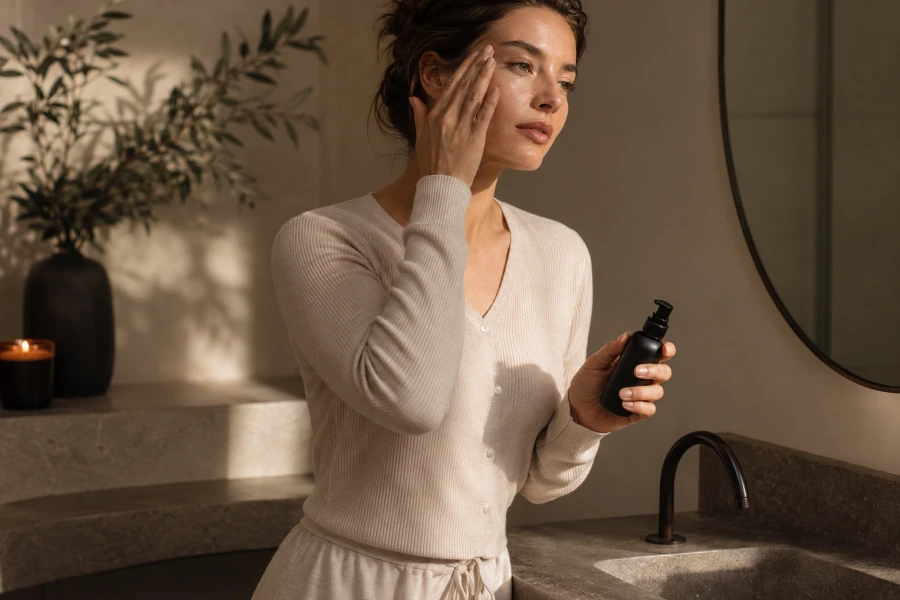
Facial massage for glowing skin appeals because it adds movement and attention to familiar skincare. The visible effect is often subtle, temporary, and influenced by hydration, lighting, and sleep. That does not make the ritual meaningless. Gentle touch can help products spread evenly and encourage a relaxed expression. It can also reveal where you habitually hold tension. The practice should feel soothing, never corrective or punishing. Consistent, light technique matters more than expensive tools. When expectations stay realistic, the ritual becomes easier to enjoy. Glow then feels like part appearance and part presence. It can also make a familiar moisturizer feel more intentional without increasing product quantity. That simplicity supports regular use. The practice can remain worthwhile even when visual changes are barely noticeable. Keep the session brief enough that subtle effects remain pleasant.
Gentle massage may create temporary warmth and a fresher surface appearance. Moisturizer or oil can improve light reflection at the same time. Relaxed facial muscles may soften the look of strain. None of these effects permanently alter facial structure. Claims about instant sculpting should be treated cautiously. The most dependable outcomes are sensory and cosmetic. A careful circulation supporting routine can feel energizing without promising medical change. Photograph results in consistent lighting if you track them. Subtle improvements deserve honest interpretation. Warm a small amount between clean fingertips before applying it. Even distribution reduces the need for repeated rubbing. Patch-test unfamiliar oils before using them across the entire face. Store oils away from heat and light when labels recommend it.
Massage requires enough lubrication to prevent tugging. A familiar moisturizer may provide sufficient glide for short sessions. Facial oil can work well for drier skin or evening use. Acne-prone users may prefer lighter, nonirritating formulas. The best face oil application uses only enough product for comfortable movement. More is not automatically better. Avoid fragranced blends if they trigger sensitivity. Introduce one product at a time. Wash hands before touching the face. Product compatibility matters as much as technique. Let the hands glide rather than push tissue in search of a stronger effect. Restraint protects sensitive areas. Light pressure also makes it easier to notice when the skin needs rest. Relaxed hands usually create smoother contact across curved areas.
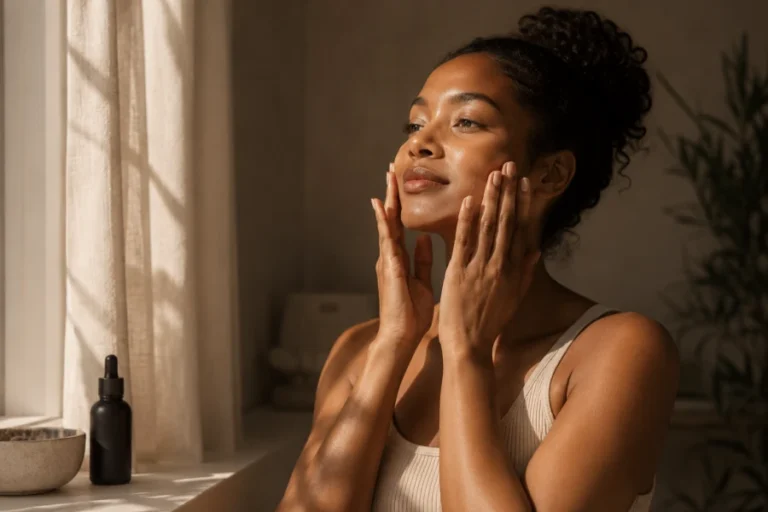
Use the pads of two or three fingers. Keep wrists soft and shoulders lowered. Move slowly from the center of the face outward. Glide across cheeks, jaw, brow, and forehead. Work around the eye area with especially light contact. Controlled gentle facial pressure should never leave soreness or prolonged redness. Repeat a movement three to five times. Avoid dragging over dry patches. Let comfort determine the pace. A delicate approach creates a more sustainable ritual. Close the eyes only when balance and placement feel secure. Safety and comfort belong inside the relaxing experience. Breath gives the sequence a beginning, middle, and natural end. Slow breathing also discourages unconscious clenching during the sequence.
Breathing changes the emotional quality of the routine. Inhale before beginning a new area. Exhale during each slow outward sweep. Let the jaw loosen as the breath leaves. Pause at the temples without pressing hard. This rhythm discourages rushed, repetitive rubbing. It also turns product application into a brief transition. Morning sessions can feel awakening. Evening sessions may feel settling. The technique remains simple, yet the experience becomes more intentional. Pause the routine when a new product causes uncertainty. Separating variables makes reactions easier to understand. Return to basic skincare until comfort feels predictable again. Recovery days protect the skin barrier and preserve trust in the ritual.
Using too little slip creates unnecessary friction. Pressing harder can increase irritation rather than results. Moving quickly may turn massage into ordinary rubbing. Dirty tools introduce avoidable hygiene concerns. Following complicated maps can distract from comfort. Treating redness as proof of effectiveness is another mistake. Skin should calm quickly after gentle care. Stop when stinging, pain, or lasting redness appears. Rest during active breakouts or dermatitis flares. A successful ritual leaves the face comfortable and the mind quieter. Keep tools optional, because hands provide immediate feedback about pressure. Convenience often improves technique more than novelty. Optional tools should simplify the ritual rather than make it feel technical. Clean storage matters whenever a reusable tool touches facial skin.
Choose a time that matches your natural pace. Keep the sequence under five minutes at first. Use hands before purchasing tools. Repeat movements that feel relaxing and skip those that do not. Adjust slip with the season. Track the experience rather than chasing dramatic before-and-after images. Notice whether you apply skincare more evenly. Observe whether jaw or brow tension feels different. Personalization keeps the routine honest. The best glow ritual is the one your skin welcomes and your schedule allows. Over several weeks, the ritual may become a dependable cue for slowing down. That emotional consistency can matter as much as appearance. A ritual that feels good is more likely to remain gentle. Consistency should deepen comfort rather than intensify scrutiny.

Leave a comment