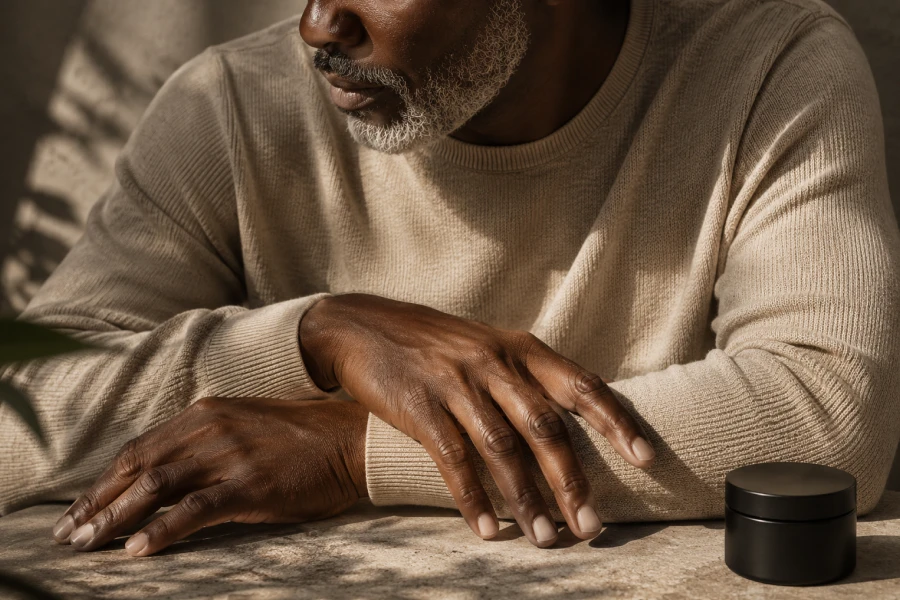
Healthy nails rarely look filtered, flawless, or identical. The most useful signs of healthy nails are steadiness, comfort, and resilience within your normal range. Slight ridges, uneven lengths, and occasional white spots can appear in ordinary life. What matters is the overall pattern across time. Strong nails should still flex slightly rather than feel rigid. Surrounding skin should feel comfortable instead of inflamed. Growth should remain reasonably consistent for you. A realistic baseline prevents unnecessary product chasing. It also helps you recognize when something genuinely changes. Better nail care begins with appreciating function before perfection. Natural variation belongs in the picture, because healthy does not mean visually identical. That perspective keeps ordinary imperfections from becoming unnecessary sources of concern.
Healthy nails often have a relatively even tone and a smooth enough surface. They remain attached to the nail bed without painful lifting. Edges may bend, yet they do not constantly split during normal tasks. Cuticles and sidewalls look calm rather than red or swollen. Growth occurs gradually and can differ between hands. Dominant-hand nails may experience more wear. Seasonal dryness can also change flexibility. The best baseline comes from your own hands, not a polished advertisement. Building healthy nail habits and brittle nail care around that reality creates more useful expectations. Comfort and consistency matter more than cosmetic uniformity. Moisture works best alongside protection, since cream cannot offset constant mechanical stress. Protection preserves the benefits of moisture during the tasks that challenge nails most.
Nails lose moisture through repeated washing, sanitizer, weather, and solvent exposure. Hydration supports flexibility, which can reduce everyday snapping. Apply hand cream after washing when practical. Massage a small amount around the nail folds rather than flooding the area. Regular cuticle hydration helps surrounding skin stay comfortable. Gloves add another layer of support during dishes, cleaning, and gardening. Keep nails at a length that suits your work and habits. Long nails are not inherently healthier. Short nails are not automatically weak. The right length is the one you can maintain without repeated trauma. Progress becomes easier to judge when your removal method stays gentle and consistent. A calm recovery period can reveal strength that surface coatings temporarily concealed.
A new manicure system can temporarily alter the way nails feel. Removal methods often matter as much as the coating itself. Peeling off gel can lift surface layers and create roughness. Aggressive buffing may leave nails thin and tender. Frequent acetone exposure can increase dryness for some people. Give nails time to recover before judging their natural condition. During that period, simplify products and avoid constant experiments. Record what improves after two or three growth cycles. Stable routines make comparisons clearer. They also reveal whether a product supports your nails or merely disguises ongoing damage. Comfort around the nail folds often signals that grooming pressure and products are appropriate. Healthy grooming should leave the surrounding skin looking settled and feeling comfortable.
Nail wellness extends beyond the hard plate. The surrounding skin forms a protective boundary against irritation and infection. Picking, cutting too deeply, or biting can disrupt that barrier. Tenderness often begins there before the nail itself changes. Use clean tools and trim only obvious loose skin. Avoid pushing cuticles aggressively during home manicures. Stop using any product that causes burning or persistent itching. Calm skin supports stronger daily function. It also makes grooming more pleasant. A healthy-looking manicure should never require discomfort as the price of neatness. Changing the task, rather than strengthening the nail endlessly, often solves the recurring problem. Practical tools protect nail edges more reliably than using them for leverage.
Using nails as tools creates repeated leverage at the tips. Opening cans, scraping labels, and prying lids can cause hidden stress. Long soaking softens the nail temporarily and increases bending. Repeated wet-to-dry cycles may encourage peeling. Tight shoes can pressure toenails and distort growth. Nail biting adds both trauma and moisture. Choose practical substitutions for these habits. Keep a small opener nearby and use a scraper for labels. Thoughtful protective nail care reduces damage without demanding a complicated routine. Small environmental changes often outperform another strengthening polish. This balanced view protects both your confidence and your willingness to seek help. Knowing your baseline also makes unusual changes easier to describe accurately.
Take a monthly look at bare nails under similar lighting. Notice comfort, color, attachment, thickness, and surrounding skin. Compare patterns across all nails instead of isolating one tiny flaw. Write down only meaningful changes. Constant checking can create anxiety and distort perspective. A brief schedule keeps the habit useful. Seek qualified advice for persistent pain, swelling, drainage, dark streaks, or rapid changes. Otherwise, let normal variation remain normal. Healthy nails reflect steady care, not perfection. Your baseline becomes valuable because it is personal, repeatable, and grounded in real life. Over months, a personal baseline becomes more informative than any universal beauty standard. Regular observation supports confidence because it replaces vague impressions with context.


Leave a comment