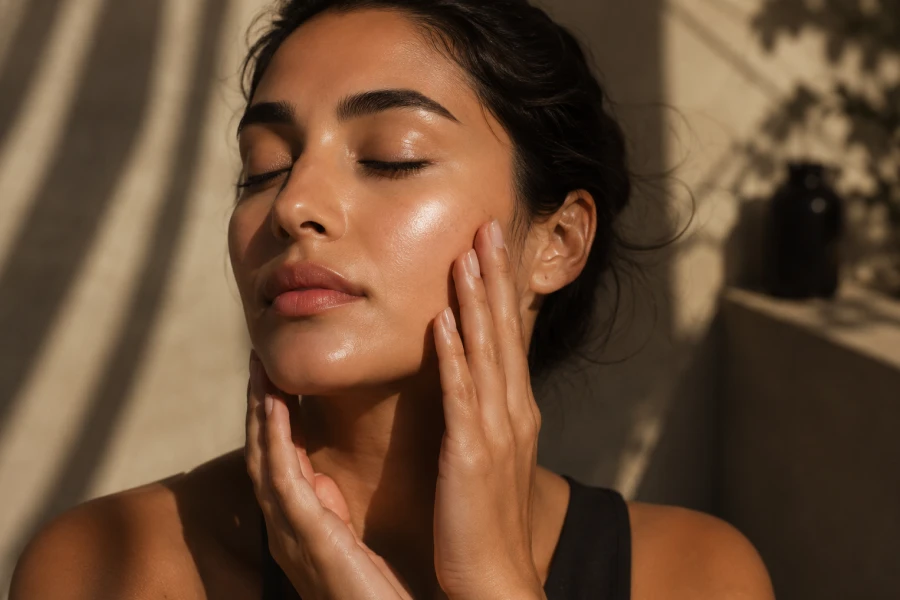
A daily face massage routine lasts only when it fits naturally beside cleansing and moisturizing. Complicated sequences often disappear after the first enthusiastic week. A useful ritual needs clear steps, comfortable pressure, and products already within reach. It should adapt when skin feels dry, sensitive, or congested. Daily does not mean mandatory under every condition. Rest days can protect irritated skin and preserve enjoyment. A short practice also reduces the urge to overwork delicate areas. Consistency grows from simplicity. The goal is a calm habit that supports skincare rather than competing with it. Keep the order unchanged until it becomes automatic. Familiar sequencing reduces decision fatigue at the mirror. Three zones also make shortened versions easy on rushed days. The same map works whether the session lasts two minutes or five.
Divide the face into lower, middle, and upper zones. Begin at the jaw and move outward slowly. Continue across the cheeks with flat fingertips. Finish around the brow and forehead. This three-zone structure is easy to remember. Use three repetitions per movement. Keep the total session near five minutes. Avoid pressing directly on painful blemishes. A predictable map reduces hesitation. Familiarity makes the ritual easier to repeat. If the product absorbs too quickly, add a small amount instead of increasing pressure. Skin should never feel dragged. Comfortable glide should remain available from the first stroke to the last. Add product sparingly so the finish remains comfortable afterward.
Clean skin needs enough slip before massage begins. Apply moisturizer, serum, balm, or oil in a thin, even layer. Wait only if the product instructions require it. Dry dragging can irritate the surface and encourage redness. Choose familiar formulas with a comfortable finish. Keep hands clean and nails smooth. Avoid mixing several active products solely for massage. The ritual should not increase irritation risk. Product placement becomes more deliberate when movement follows immediately. Gentle preparation supports every later step. This pause also creates a natural moment to notice irritation before adding another layer. Awareness can prevent overapplication. That moment of observation can keep a routine from becoming overloaded. Slower application may also reduce accidental overlap between active formulas.
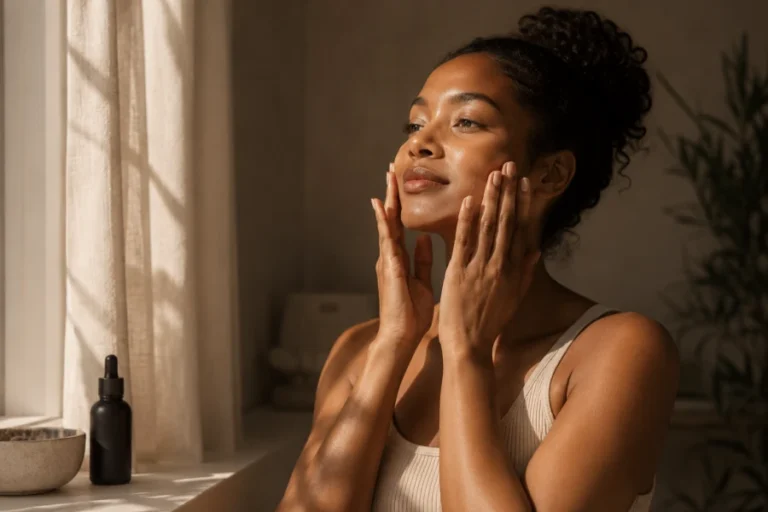
Speed often leads to uneven application and forgotten areas. Massage creates a reason to pause. Slow outward strokes help spread product across cheeks and jaw. Small brow movements can highlight unconscious tension. Light contact around the temples invites a brief breath. The method does not need to promise transformation. Its value comes from attention and repeatability. A simple five minute skincare habit can make an ordinary routine feel complete. Slower care often feels more luxurious without adding another product. Cool water and a simple moisturizer may be enough on reactive days. Restraint can be the most supportive choice. Responsive care respects the difference between consistency and stubbornness. Return gradually once the skin feels calm and predictable.
Skin condition changes with weather, sleep, stress, treatments, and hormonal shifts. Reduce pressure when the face feels reactive. Shorten the session after exfoliation. Skip areas with active irritation, broken skin, or sunburn. Use fewer movements when tenderness appears. Rest entirely after procedures unless a professional approves massage. Adaptation prevents the habit from becoming rigid. Daily care should respond to the skin in front of you. Flexibility makes consistency safer. A skipped session can be part of a responsible routine. Anyone with diagnosed lymphatic concerns should follow professional instructions instead. Cosmetic routines have clear limits. Keep every movement superficial unless a qualified professional instructs otherwise. General beauty advice cannot replace individualized clinical instructions.
Many routines use outward and upward sweeps because they feel smooth and intuitive. Some people enjoy light lymphatic style movements along the face and neck. These techniques should remain gentle and should not claim to treat medical swelling. Direction matters less than comfort, slip, and controlled contact. Avoid forceful scraping. Do not chase temporary redness. Use hands to feel how much pressure you apply. Stop if an area becomes sore. A simple path is easier to repeat correctly than a complicated diagram. Compare weekly or monthly notes instead of evaluating every session. Longer intervals reveal more meaningful patterns. Patterns matter more than a single unusually good or difficult day. Use the notes to simplify, not endlessly optimize, the routine.
Record only what helps you make decisions. Note frequency, product, comfort, and any irritation. Use consistent lighting for occasional photos. Avoid daily comparison because small shifts can reflect sleep or weather. Practical skincare progress tracking should reduce uncertainty, not create scrutiny. Review patterns after several weeks. Keep movements that feel soothing. Remove steps that cause friction or stress. Seek professional advice for persistent swelling, pain, or skin changes. A healthy ritual supports confidence rather than constant evaluation. End the routine with the same final breath or hand placement. A consistent closing cue helps the habit feel complete. The closing cue can be as simple as lowering your hands and exhaling. A clear ending prevents the ritual from expanding without purpose.



Leave a comment