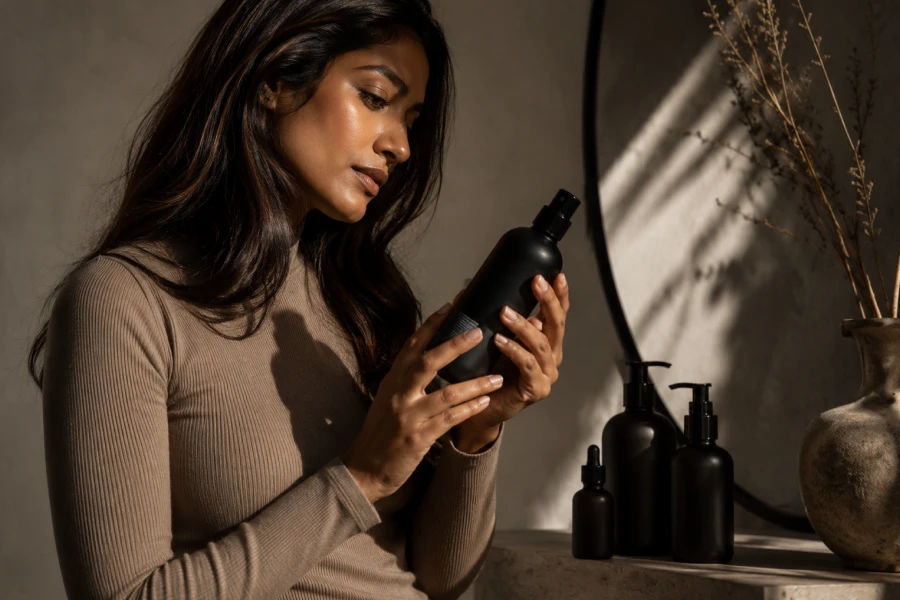
Learning how to read hair product labels can replace vague promises with practical questions. The ingredient list does not tell you everything, but it reveals more than the front label. Order matters because ingredients generally appear from higher to lower concentration until small amounts. Formula design matters too, since ingredients work together rather than alone. A familiar ingredient can behave differently across products. Marketing terms may not have standardized meanings. Your hair history and application habits remain essential context. Label reading works best as a screening tool. It helps narrow choices before real-world testing. That combination makes shopping more deliberate and less confusing. This mindset turns label reading into a practical filter rather than a chemistry examination. Keep the process focused on decisions you can actually use.
First decide what job the product should perform. Shampoo cleanses, conditioner reduces friction, and treatments target narrower concerns. A moisturizing claim on shampoo does not make it equivalent to conditioner. A repair claim may describe temporary cosmetic improvement rather than permanent restoration. Focus on your desired outcome. Do you need gentler cleansing, easier detangling, less residue, or more softness? Reviewing shampoo ingredient basics and conditioner ingredient basics helps separate those functions. Read directions because contact time and placement affect performance. Purpose gives the ingredient list meaning. Without it, every unfamiliar name can look equally important. Formula context keeps one familiar ingredient from becoming an automatic hero or villain. Balanced formulas often matter more than one highlighted cleansing agent.
Surfactants remove oil and soil by helping water carry them away. Some cleanse strongly, while others feel milder within a balanced formula. The word sulfate alone cannot predict your experience. Frequency, concentration, supporting ingredients, and scalp condition all matter. Thoughtful sulfate awareness is more useful than automatic avoidance. People with heavy buildup may appreciate stronger cleansing occasionally. Others prefer milder formulas for frequent washing. Watch for tightness, itching, residue, and wash longevity. Choose based on performance rather than ingredient fear. A good cleanser leaves the scalp comfortable and the routine manageable. Application amount and rinsing can change how these conditioning ingredients feel afterward. Texture and rinse feel can provide additional clues about compatibility.
Conditioners often combine fatty alcohols, conditioning agents, oils, silicones, proteins, and humectants. Fatty alcohols are not the drying alcohols shoppers often fear. They commonly support slip and creamy texture. Silicones can reduce friction and improve shine, although some users prefer lighter options. The concern is not moral value but fit. Heavy layering may contribute to silicone buildup for certain routines. Effective cleansing and sensible application can address that. Protein ingredients may change feel without rebuilding hair permanently. Evaluate the full formula and your results. No single ingredient guarantees success or failure. Keep packaging or photographs when a clinician needs help identifying a suspected trigger. Save the purchase date when delayed irritation is a possibility.
Fragrance can make hair care enjoyable, yet it may bother sensitive users. Essential oils can also cause irritation despite natural positioning. Preservatives protect water-based products from microbial growth. Their presence is necessary for safety and shelf stability. People with known allergies should compare exact ingredient names. Patch testing may help with leave-on products, though scalp reactions still require caution. Stop using anything that causes burning, swelling, or persistent itching. Seek medical advice for significant reactions. Labels support avoidance only when you know the trigger. General fear of long ingredient names offers little protection. A specific claim becomes more meaningful when the directions explain how to achieve it. Directions can reveal whether the formula targets occasional or frequent use.
Front labels often emphasize one fashionable ingredient in a complex formula. That ingredient may appear in a small amount and still support the product story. Claims like clean, natural, strengthening, or detoxifying can mean different things across brands. Look for specific functions instead. Ask what cleanses, conditions, adds slip, supports texture, or preserves the formula. Read directions for intended frequency. Consider packaging that protects the product from contamination. Then compare price per use rather than bottle size alone. A label becomes useful when connected to application and results. Marketing should invite investigation, not end it. Your shortlist should become smaller and clearer, not larger and more intimidating. Clear criteria make crowded shelves easier to navigate calmly.
Photograph labels of products that consistently work for you. Compare their recurring ingredient families and textures. Do the same for products that felt heavy, harsh, or ineffective. Patterns may emerge after several examples. Use those patterns to shortlist new options. Avoid chasing exact duplicates because formulation differences still matter. Buy the smallest practical size when testing. Keep the rest of your routine stable for several washes. Record scalp comfort, detangling, residue, and styling results. Label literacy becomes powerful when paired with patient experimentation. Over time, repeated comparisons build confidence without requiring memorization of every ingredient. Useful literacy grows through repeated comparison, not perfect recall.




Leave a comment